

How to Protect the Night Sky for a Clear Stargazing
For thousands of years, humans have looked up at the night sky with wonder, curiosity, and inspiration. The stars guided early travelers, shaped ancient myths, and laid the foundation for modern astronomy. Yet today, in many parts of the world, the night sky is slowly disappearing behind a veil of artificial light and pollution. What was once a sky filled with thousands of visible stars is now, for many people, reduced to only a handful.
Protecting the night sky is not only about preserving a beautiful view; it is about safeguarding science, nature, and a shared human heritage. Clear stargazing allows astronomers to explore the universe, helps ecosystems maintain natural rhythms, and gives people a rare sense of connection to something larger than themselves.
As urban areas expand and artificial lighting increases, the need to protect the night sky has never been more urgent. This section introduces the importance of preserving darkness at night, highlights the growing challenges to clear stargazing, and sets the stage for practical solutions that individuals, communities, and governments can take to ensure future generations can still look up and see the stars.
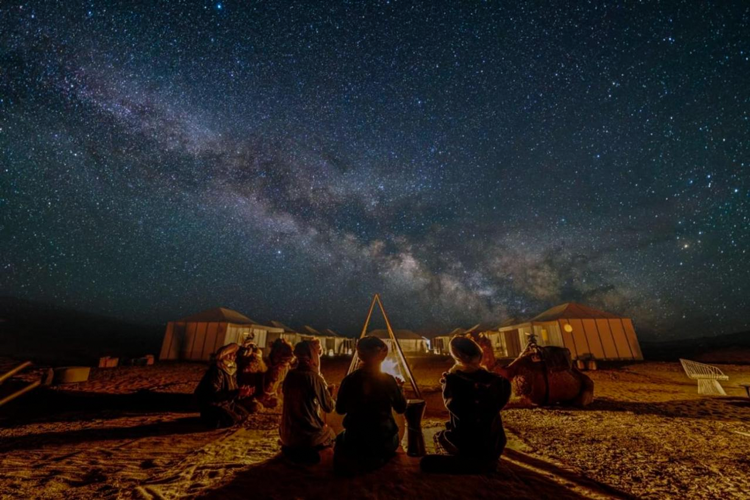

Why the Night Sky Matters
The night sky is far more than a backdrop of stars; it plays a vital role in science, culture, nature, and human well-being. Losing our ability to see the stars means losing important connections that have shaped life on Earth for centuries.
1. Scientific Importance
The night sky is essential for astronomical observation and space research. Clear, dark skies allow scientists to study planets, stars, galaxies, and cosmic events, helping us better understand the universe and our place within it. Many discoveries, from planetary motion to distant galaxies, depend on minimal light interference. Even amateur astronomers rely on dark skies to contribute valuable observations.
2. Cultural and Historical Value
Throughout history, civilizations used the stars for navigation, agriculture, and timekeeping. Constellations inspired myths, traditions, and religious beliefs across cultures. The night sky is a shared heritage that connects humanity across generations. Protecting it helps preserve these stories and traditions that are deeply rooted in human history.
3. Environmental and Health Benefits
Natural darkness is crucial for ecosystems. Many animals rely on the night sky for navigation, hunting, and reproduction. Excessive artificial light disrupts wildlife behavior, migration patterns, and plant growth. For humans, exposure to natural night cycles supports healthy sleep patterns and mental well-being. Preserving dark skies helps maintain the natural balance between day and night for all living beings.
By understanding why the night sky matters, we can better appreciate the urgency of protecting it and the responsibility we share in preserving this irreplaceable natural resource.
Main Threats to Clear Stargazing
Despite its importance, the night sky is increasingly under threat from human activity. Several factors work together to reduce visibility and clarity, making stargazing more difficult with each passing year.
1. Light Pollution
Light pollution is the most significant threat to clear stargazing. It occurs when excessive or poorly designed artificial lighting brightens the night sky. Streetlights, billboards, buildings, and residential lighting often shine upward or sideways, creating a glow that washes out stars. As cities expand, this artificial brightness spreads far beyond urban areas, affecting even remote locations.
2. Air Pollution
Air pollution also plays a major role in reducing sky clarity. Dust, smoke, industrial emissions, and vehicle exhaust fill the atmosphere with tiny particles that scatter light. This scattering causes haze and reduces contrast, making stars appear dim or invisible. Even in areas with limited artificial lighting, poor air quality can significantly impact stargazing conditions.
3. Climate and Atmospheric Changes
Changes in climate and atmospheric conditions further affect the visibility of the night sky. Increased humidity, cloud cover, and temperature fluctuations can blur celestial objects and reduce transparency. Long-term climate change may also alter weather patterns, making clear nights less frequent in some regions.
What Is Light Pollution and Why It’s the Biggest Problem
Light pollution refers to the excessive, misdirected, or unnecessary use of artificial light at night. Unlike air or water pollution, it is often overlooked, yet its impact on the night sky is immediate and widespread. It is the primary reason stars are no longer visible in many urban and suburban areas.
There are several types of light pollution. Skyglow is the brightening of the night sky over populated areas, caused by artificial light scattering in the atmosphere. Glare results from overly bright lights that reduce visibility and cause visual discomfort. Light trespass occurs when unwanted light spills into areas where it is not needed, such as homes or natural habitats.
Light pollution dramatically reduces the number of stars visible to the naked eye. In dark, rural areas, thousands of stars can be seen, while in heavily lit cities, only the brightest stars and planets remain visible. This loss affects not only professional astronomers but also casual stargazers who wish to experience the natural beauty of the night sky.
Beyond stargazing, light pollution disrupts ecosystems, wastes energy, and interferes with human sleep cycles. Because it is largely preventable with better lighting design and awareness, reducing light pollution is one of the most effective ways to protect the night sky and restore clear stargazing for future generations.
Practical Ways to Protect the Night Sky
Protecting the night sky does not require eliminating lighting; it requires using light more responsibly. Simple, practical changes can significantly reduce light pollution while maintaining safety and functionality.
1. Responsible Outdoor Lighting
One of the most effective steps is using properly designed outdoor lighting. Lights should be fully shielded so that they direct illumination downward rather than into the sky. Limiting the brightness to what is actually needed and turning off lights when they are not in use can greatly reduce skyglow.
2. Choosing the Right Light Sources
Not all light is the same. Warm-colored lights with lower color temperatures produce less blue light, which scatters more easily in the atmosphere. Energy-efficient lighting, combined with smart systems such as timers and motion sensors, ensures that light is only used when necessary, reducing both pollution and energy waste.
3. Community and Urban Planning
Cities and communities play a major role in protecting the night sky. Thoughtful urban planning that includes dark-sky-friendly lighting policies can make a significant difference. Public awareness campaigns, updated lighting regulations, and cooperation between residents and local authorities help create environments where safety and dark skies can coexist.
Personal Actions for Stargazers
Individual choices can have a meaningful impact on protecting the night sky. Stargazers, in particular, can lead by example and help raise awareness about the importance of preserving natural darkness.
One simple action is minimizing the use of outdoor lights at home, especially during late-night hours. Turning off unnecessary lights and encouraging neighbors to do the same helps reduce local light pollution. Using curtains or shields to block excess light also prevents it from spilling into the sky.
Stargazers can support and promote dark-sky initiatives by visiting dark-sky parks and reserves, which are specifically protected areas with minimal artificial lighting. Sharing experiences, photos, and knowledge from these locations helps inspire others to appreciate and protect the night sky.
Education and advocacy are equally important. Teaching family, friends, and communities about the effects of light pollution encourages responsible lighting practices. By supporting organizations dedicated to night-sky protection and participating in local discussions, individuals can play a vital role in ensuring clear stargazing remains possible for generations to come.
Role of Governments and Organizations
While individual actions are important, large-scale protection of the night sky requires coordinated efforts from governments, institutions, and organizations. Policies and regulations play a crucial role in reducing light pollution and preserving dark skies on a broader level.
Governments can implement lighting standards that limit excessive brightness and require the use of shielded, energy-efficient fixtures. Urban development plans that consider night-sky preservation help balance public safety, economic growth, and environmental protection. Enforcing regulations on commercial and public lighting can significantly reduce unnecessary nighttime illumination.
International and local organizations also contribute to night-sky protection. Groups dedicated to preserving dark skies work to certify Dark Sky Parks, Reserves, and Communities, ensuring these areas maintain minimal light pollution. They also provide education, research, and guidance for policymakers and the public.
By supporting legislation, conservation programs, and global initiatives, governments and organizations can help safeguard the night sky. Their involvement ensures that efforts to protect clear stargazing are sustainable, measurable, and effective on a long-term scale.
Best Practices for Clear Stargazing
Even with ongoing efforts to protect the night sky, choosing the right conditions and locations is essential for the best stargazing experience. Understanding a few key practices can greatly improve sky visibility and enjoyment.
Selecting a dark location away from city lights is one of the most important factors. Rural areas, deserts, mountains, and designated dark-sky parks offer clearer views with minimal light pollution. Elevation can also improve stargazing by reducing atmospheric interference.
Timing matters as well. Clear, dry nights with low humidity provide better visibility, and stargazing is best when the Moon is in its new or crescent phase, as bright moonlight can overpower faint stars. Seasonal changes also affect which constellations and celestial events are visible.
Using simple tools can enhance the experience. Star charts and mobile apps help identify constellations and planets, while red-light flashlights preserve night vision. Allowing time for eyes to adjust to the darkness further improves the ability to see faint stars.
The Future of the Night Sky
The future of the night sky depends on the choices we make today. As technology advances and urban areas continue to grow, artificial lighting will remain a challenge. However, innovation also offers opportunities to create smarter, more sustainable lighting solutions that reduce light pollution without sacrificing safety or progress.
Cities around the world are beginning to adopt dark-sky-friendly designs, proving that urban life and star-filled skies can coexist. Advances in lighting technology, such as adaptive and motion-based systems, allow illumination only when and where it is needed. These solutions reduce energy consumption while helping restore natural darkness.
Public awareness will be a key factor in shaping the future of the night sky. As more people understand the value of darkness and its impact on nature, health, and science, support for protective measures will continue to grow. Education, advocacy, and responsible planning can ensure that future generations inherit a sky where stars are still visible.
Conclusion
The night sky is a priceless natural and cultural treasure, offering inspiration, scientific knowledge, and a connection to the universe. Yet it faces growing threats from light pollution, air pollution, and environmental changes. Protecting it requires action at every level, from individual stargazers and communities to governments and international organizations.
By adopting responsible lighting practices, supporting dark-sky initiatives, and educating others about the importance of darkness, we can all play a part in preserving clear stargazing. Small actions, when multiplied across communities and nations, can make a significant difference.
The stars have guided, inspired, and amazed humanity for millennia. By protecting the night sky today, we ensure that future generations will also have the opportunity to look up, wonder, and feel connected to the vast universe above.