
15 Days Tour from Casablanca to Marrakech Grand Morocco Journey with Sahara Astronomy Experiences
OVERVIEW OF THE 15 Days Tour from Casablanca to Marrakech Grand Morocco Journey with Sahara Astronomy Experiences :
Morocco offers one of the most compelling environments in the world for combining cultural travel with astronomical observation. Its geographical position near the 30th parallel north allows for a uniquely expansive view of the night sky, where both northern constellations and select southern celestial formations become visible. When this advantage is paired with the arid climate of the Sahara—characterized by minimal atmospheric humidity and exceptionally low light pollution—the result is an environment of extraordinary observational clarity.
This 15-day journey from Casablanca to Marrakech has been meticulously designed to transform these natural conditions into a structured, immersive, and intellectually enriching travel experience. It is not simply a tour across destinations, but a gradual transition through landscapes, climates, civilizations, and cosmic perspectives.
Beginning in Casablanca, Morocco’s modern economic hub, and continuing through the imperial cities of Rabat, Fes, and Marrakech, the itinerary introduces the country’s political, spiritual, and cultural dimensions. The route then extends into the Middle Atlas Mountains, where cedar forests and alpine environments provide a striking contrast to the arid expanses that follow.
As the journey progresses southward, geological time becomes visible in the form of fossil-rich plains and sedimentary formations, offering insight into a prehistoric world once submerged beneath ancient seas. This terrestrial narrative reaches its culmination in the Erg Chebbi dunes of Merzouga, where participants spend multiple nights in a Sahara desert camp dedicated to astronomy.
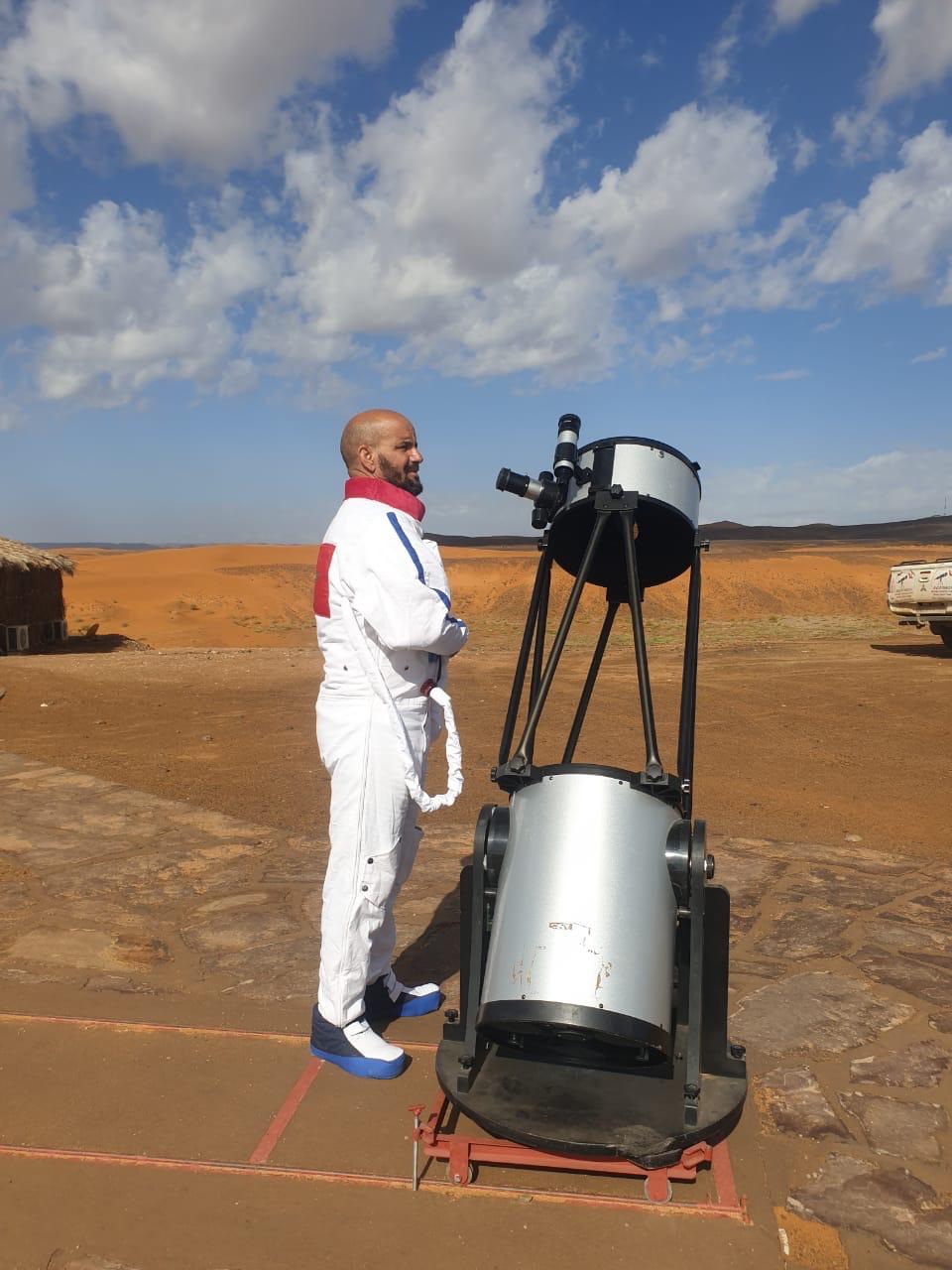
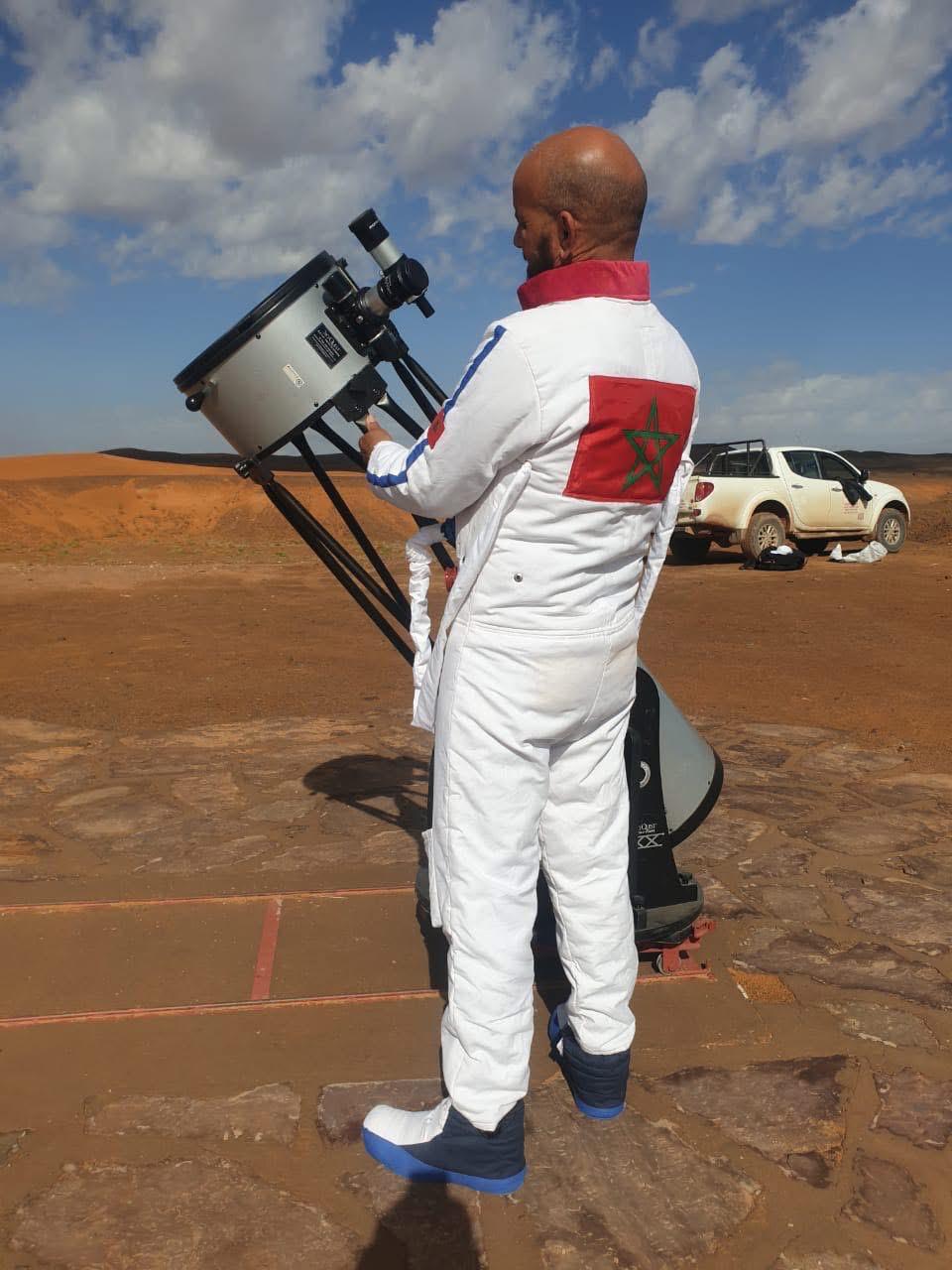
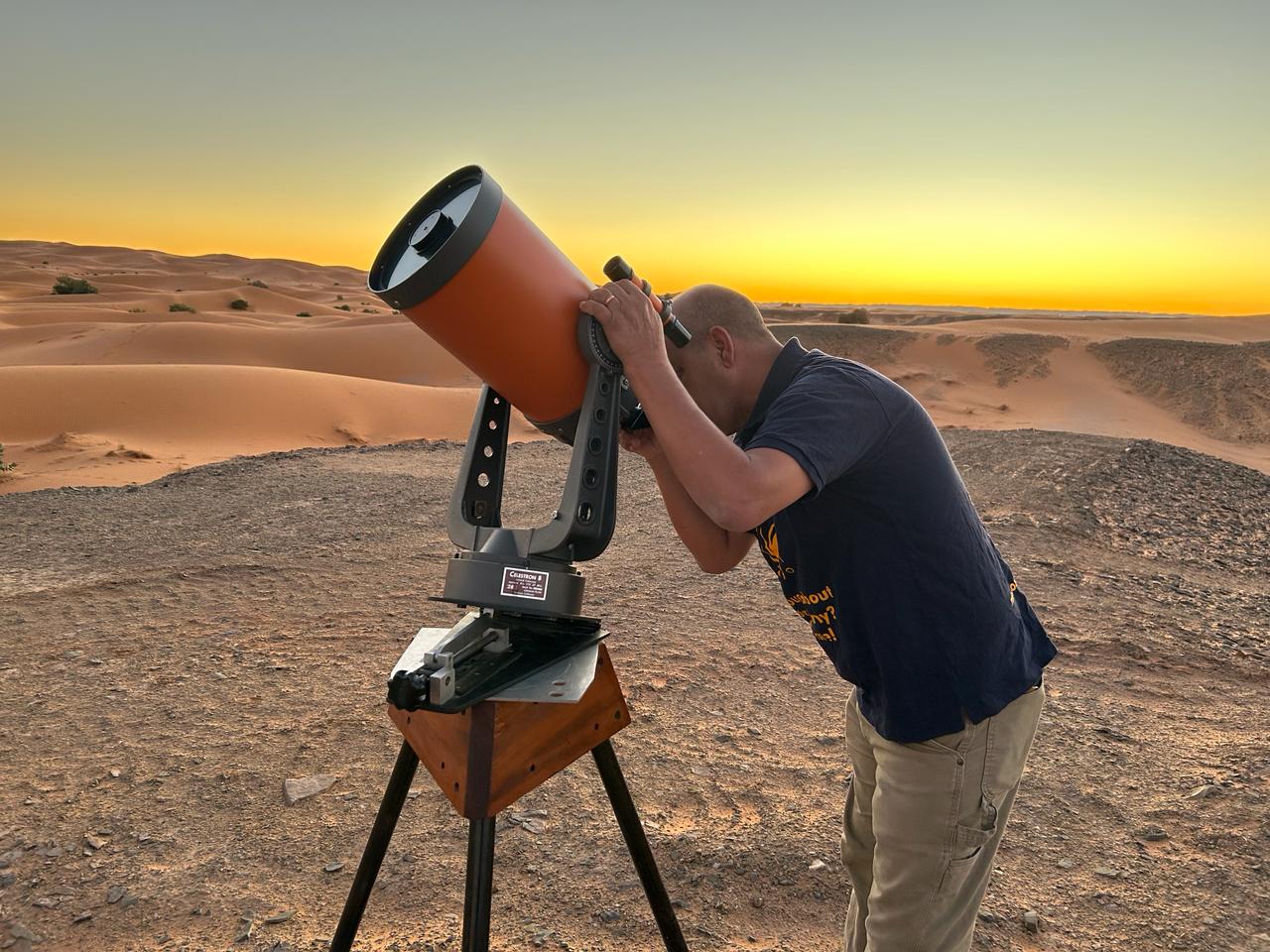
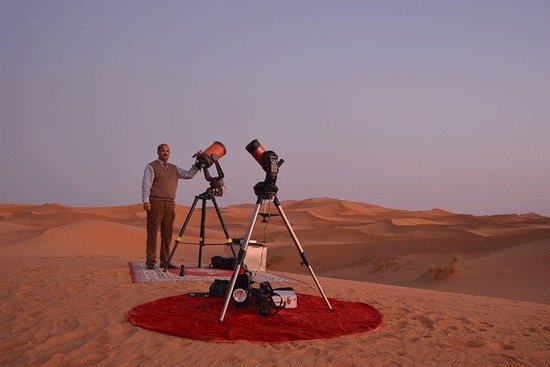
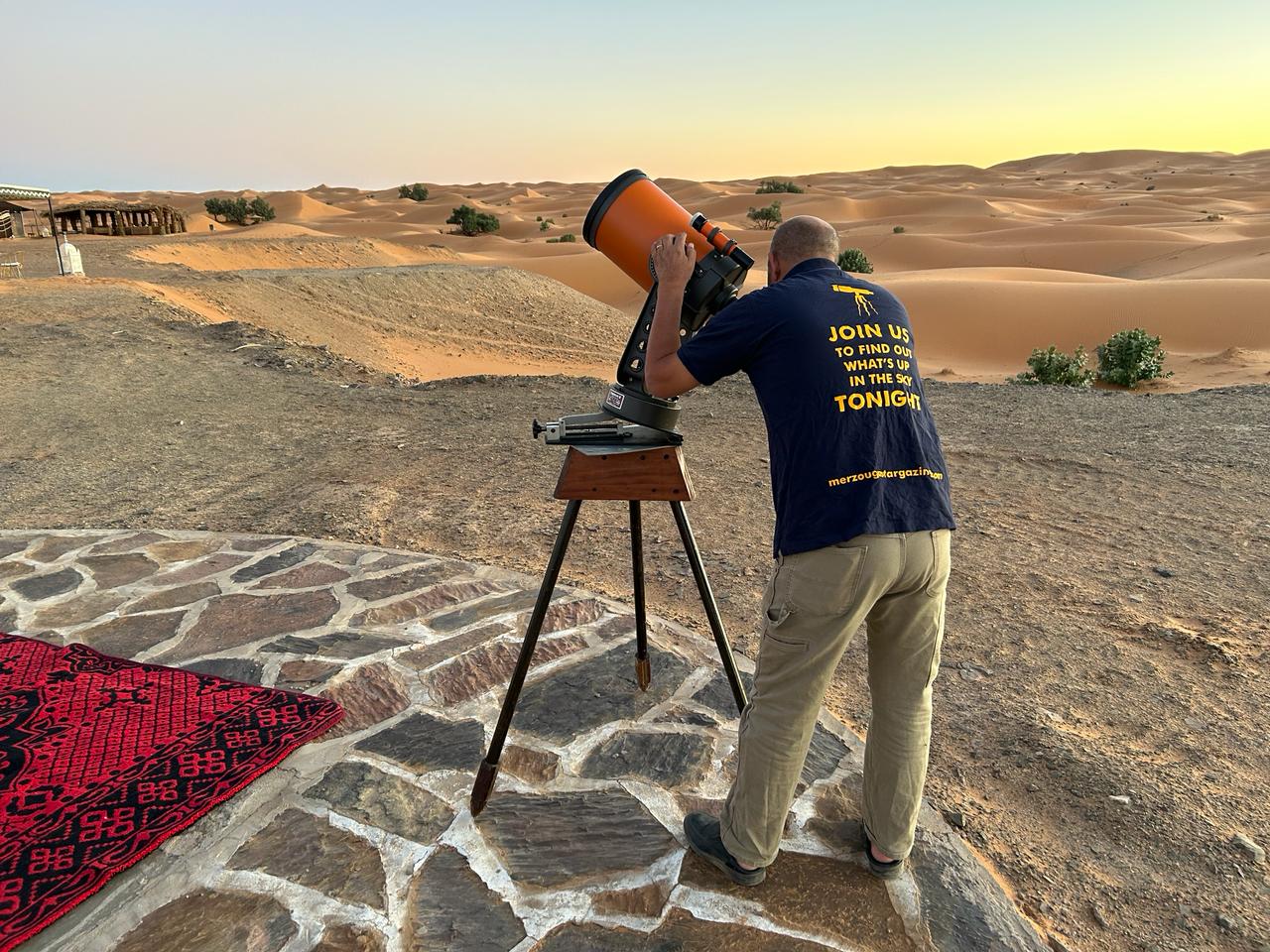
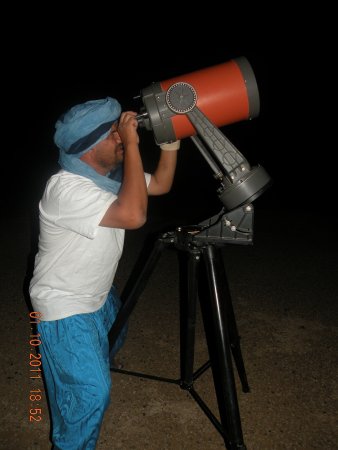
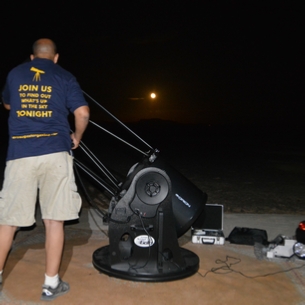
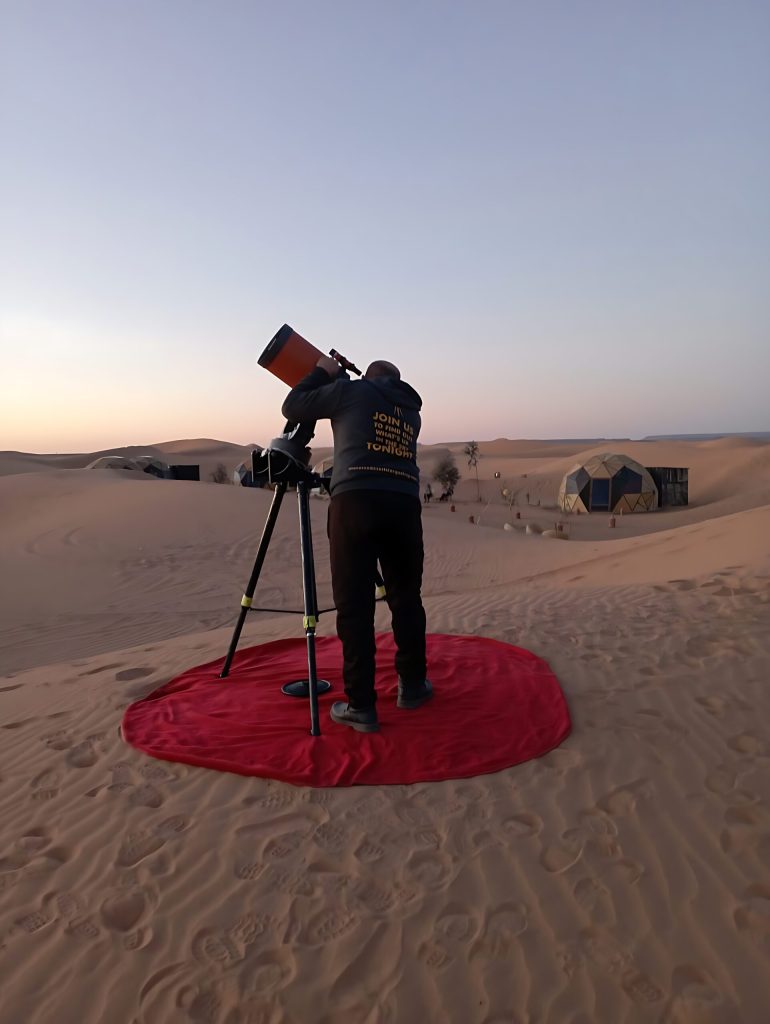
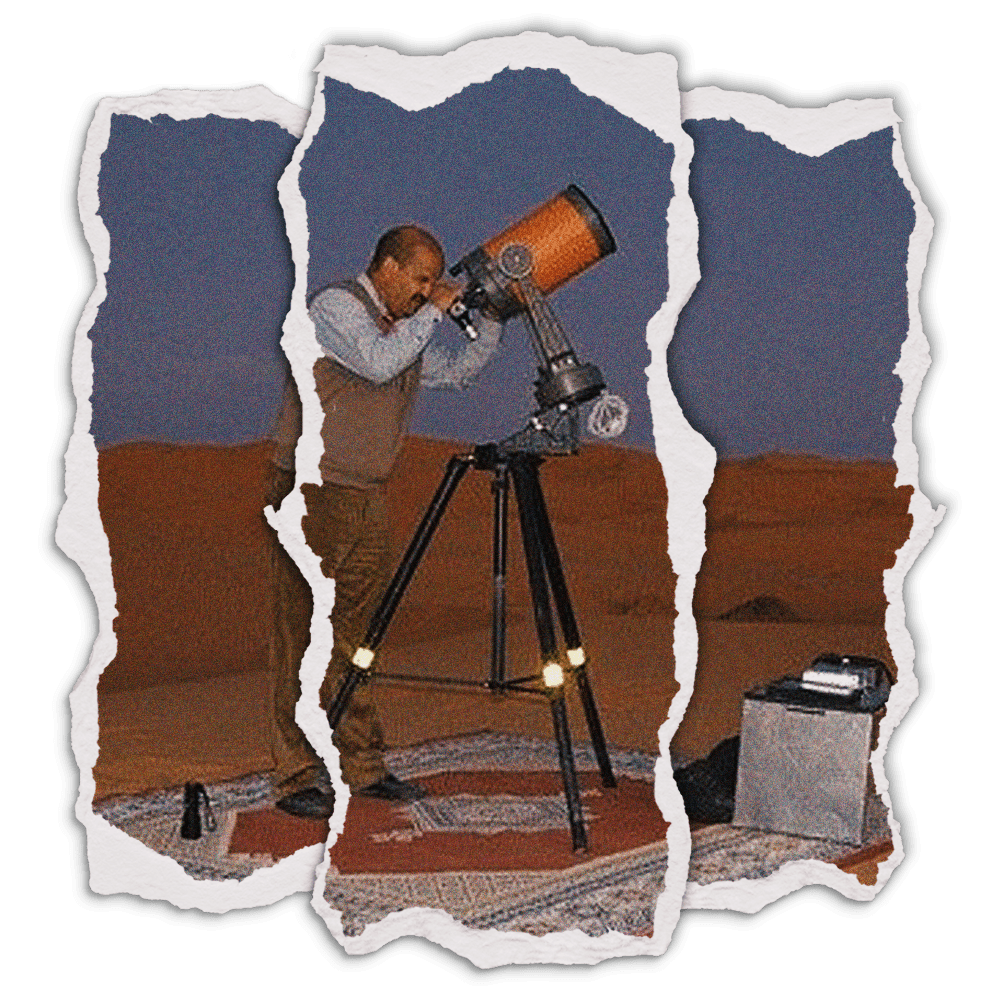
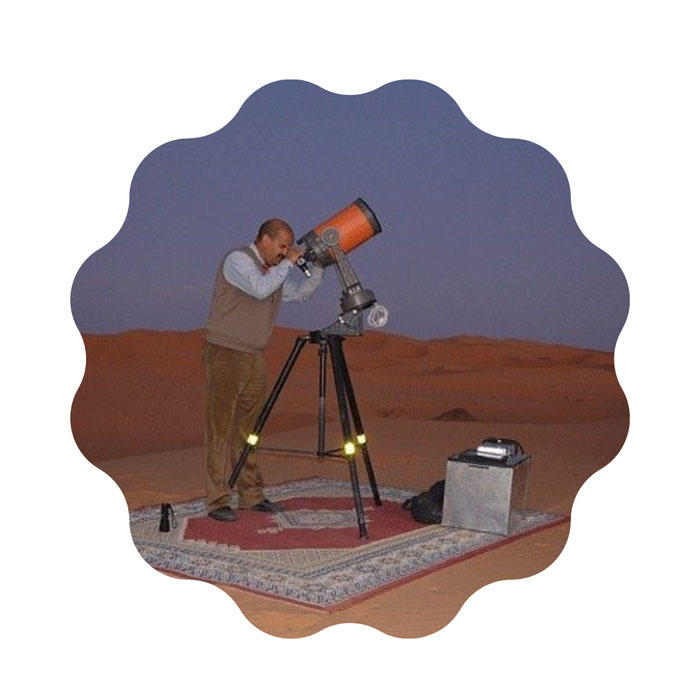
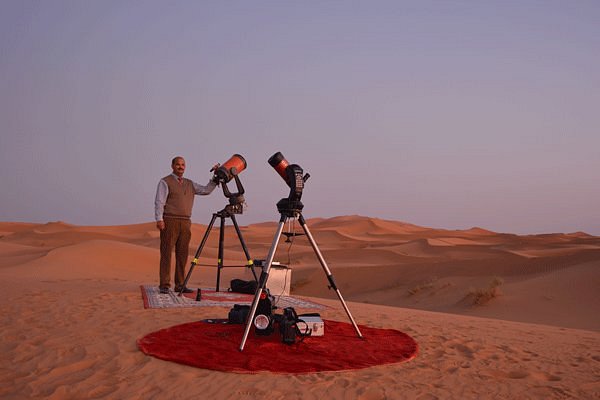
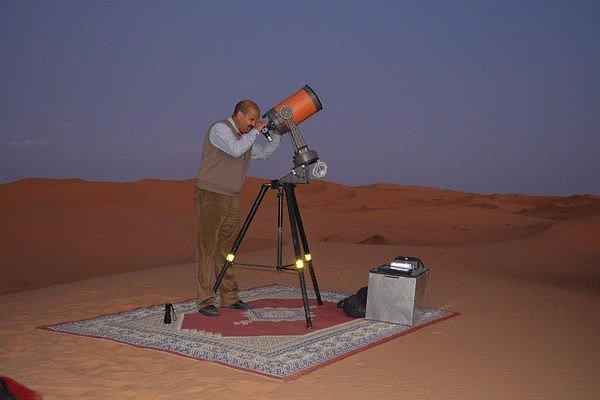
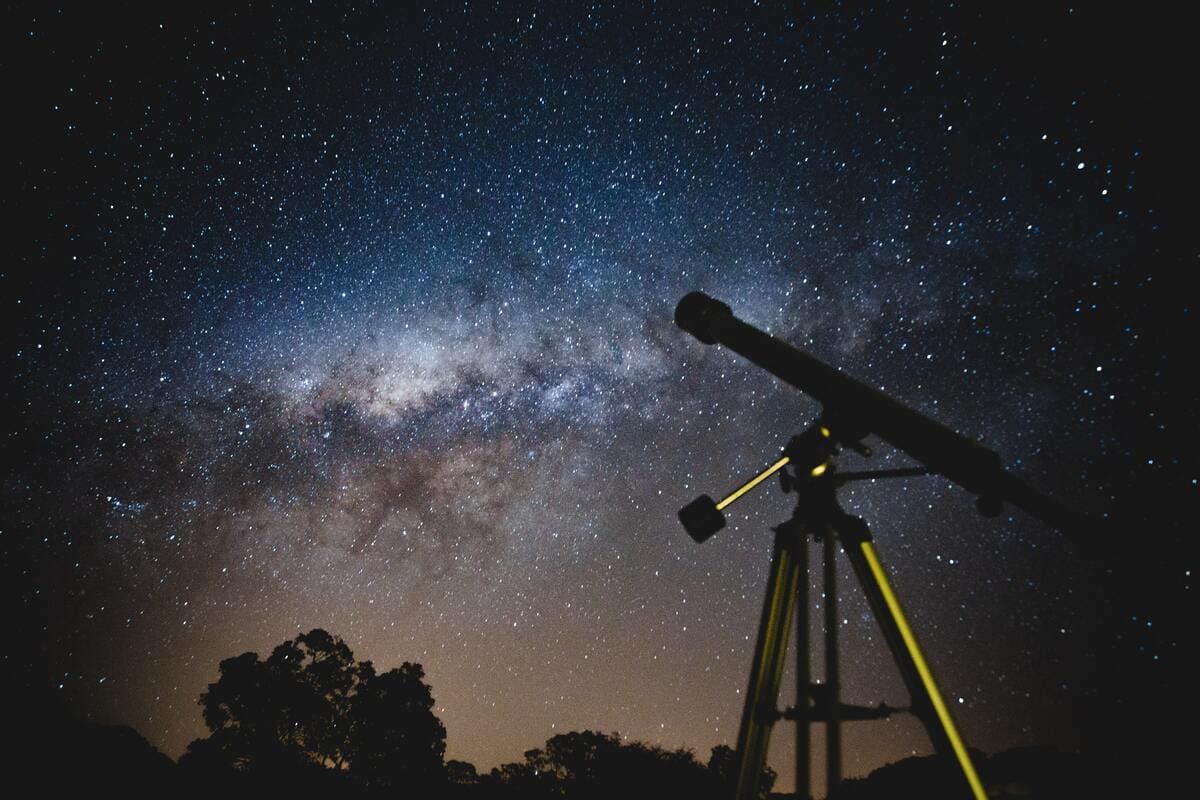
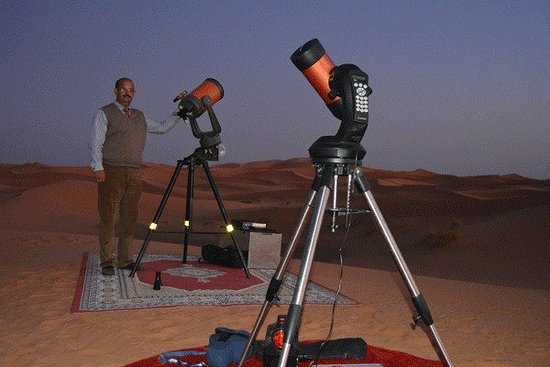
Here, far from artificial illumination, the sky reveals itself with extraordinary precision. Participants engage in guided astronomical sessions, including telescope observations, constellation mapping, and interpretive discussions linking modern astrophysics with ancestral Saharan knowledge systems. Observations may include planetary details such as Saturn’s rings, deep-sky objects like nebulae and galaxies, and seasonal phenomena such as meteor showers.
The journey then continues westward through dramatic natural formations such as the Todra and Dades Gorges, historic caravan routes, and UNESCO-listed kasbahs, before crossing the High Atlas Mountains and arriving in Marrakech.
This itinerary is designed for travelers seeking a comprehensive and elevated experience, combining scientific curiosity, cultural depth, and scenic diversity over an extended and carefully paced journey.
Highlights of the 15 Days Tour from Casablanca to Marrakech Grand Morocco Journey with Sahara Astronomy Experiences :
- Exploration of Casablanca’s modern and historical landmarks
- Visit to Rabat, Morocco’s political capital
- In-depth guided tour of Fes, including its ancient medina
- Crossing the Middle Atlas Mountains and cedar forests
- Encounter with Barbary macaques in natural habitat
- Geological and fossil exploration in Erfoud region
- Camel trekking across the dunes of Erg Chebbi
- Multiple nights in Sahara desert camp with astronomy program
- Telescope observation of planets, galaxies, and constellations
- Cultural encounters with nomadic communities and Gnaoua music
- Discovery of Tafilalet oasis and Sijilmassa history
- Visit to Todra Gorge and Dades Valley
- Exploration of Aït Ben Haddou and Ouarzazate
- Crossing the High Atlas Mountains
- Full immersion in Marrakech’s vibrant culture
ITINERARY of the 15 Days Tour from Casablanca to Marrakech Grand Morocco Journey with Sahara Astronomy Experiences
Day 1: Arrival in Casablanca – Introduction to Morocco
Upon arrival in Casablanca, you are welcomed and transferred to your hotel. Depending on your arrival time, a panoramic introduction to the city may be arranged, allowing you to discover its dual identity as both a modern metropolis and a gateway to Moroccan heritage.
A visit to the iconic Hassan II Mosque (exterior or interior depending on timing) offers a first immersion into Moroccan craftsmanship and architectural grandeur. The remainder of the day is dedicated to rest and acclimatization after travel.
Day 2: Casablanca → Rabat → Chefchaouen
After breakfast, departure toward Rabat. Here, you explore key landmarks such as the Hassan Tower, the Mausoleum of Mohammed V, and the Kasbah of the Oudayas, overlooking the Atlantic Ocean.
The journey continues north through changing landscapes toward the Rif Mountains. By late afternoon, arrival in Chefchaouen, where the blue-washed medina creates a serene and almost dreamlike atmosphere. Evening at leisure.
Day 3: Chefchaouen – Immersive Exploration
This day is devoted to discovering Chefchaouen at a slower pace. Wander through its narrow streets, artisan shops, and hidden courtyards. Climb toward panoramic viewpoints for sweeping views over the valley.
The calm ambiance of the city contrasts with the dynamic rhythm of Morocco’s larger urban centers, offering a moment of reflection before the journey continues.
Day 4: Chefchaouen → Volubilis → Meknes → Fes
Departure in the morning toward the Roman ruins of Volubilis, where mosaics and ancient structures reveal Morocco’s deep historical layers.
Continue to Meknes, one of the imperial cities, where monumental gates and historical architecture reflect the legacy of Sultan Moulay Ismail. After a brief visit, proceed to Fes. Check-in and evening at leisure.
Day 5: Fes – Cultural and Historical Immersion
A full day is dedicated to exploring Fes, widely regarded as Morocco’s spiritual and intellectual heart.
Accompanied by a guide, you navigate the medina, visiting traditional schools (madrasas), artisan quarters, and historic landmarks. The experience offers insight into centuries-old craftsmanship, religious life, and urban organization.
Day 6: Fes → Ifrane → Azrou → Midelt
Departure from Fes toward the Middle Atlas Mountains. A stop in Ifrane reveals an unexpected alpine-style town, followed by Azrou, where cedar forests provide habitat for Barbary macaques.
The landscape gradually shifts as you continue toward Midelt, where the air becomes drier and the terrain more open. Overnight stay.
Day 7: Midelt → Ziz Valley → Erfoud → Merzouga
Crossing the Tizi n’Teghamt Pass, the scenery transforms into vast desert plains. A stop in the Ziz Valley allows appreciation of its extensive palm groves and oasis systems.
Arrival in Merzouga in the late afternoon. Settle into a hotel near the dunes, with views of the Sahara stretching toward the horizon.
Day 8: Merzouga – Desert Entry & First Astronomy Night (Camp)
After a relaxed morning, preparation for desert immersion begins. In the late afternoon, a camel caravan leads you into the dunes of Erg Chebbi.
The transition into the desert is gradual yet profound, as silence replaces movement and the landscape becomes minimal and expansive. Upon arrival at the camp, dinner is served under open skies.
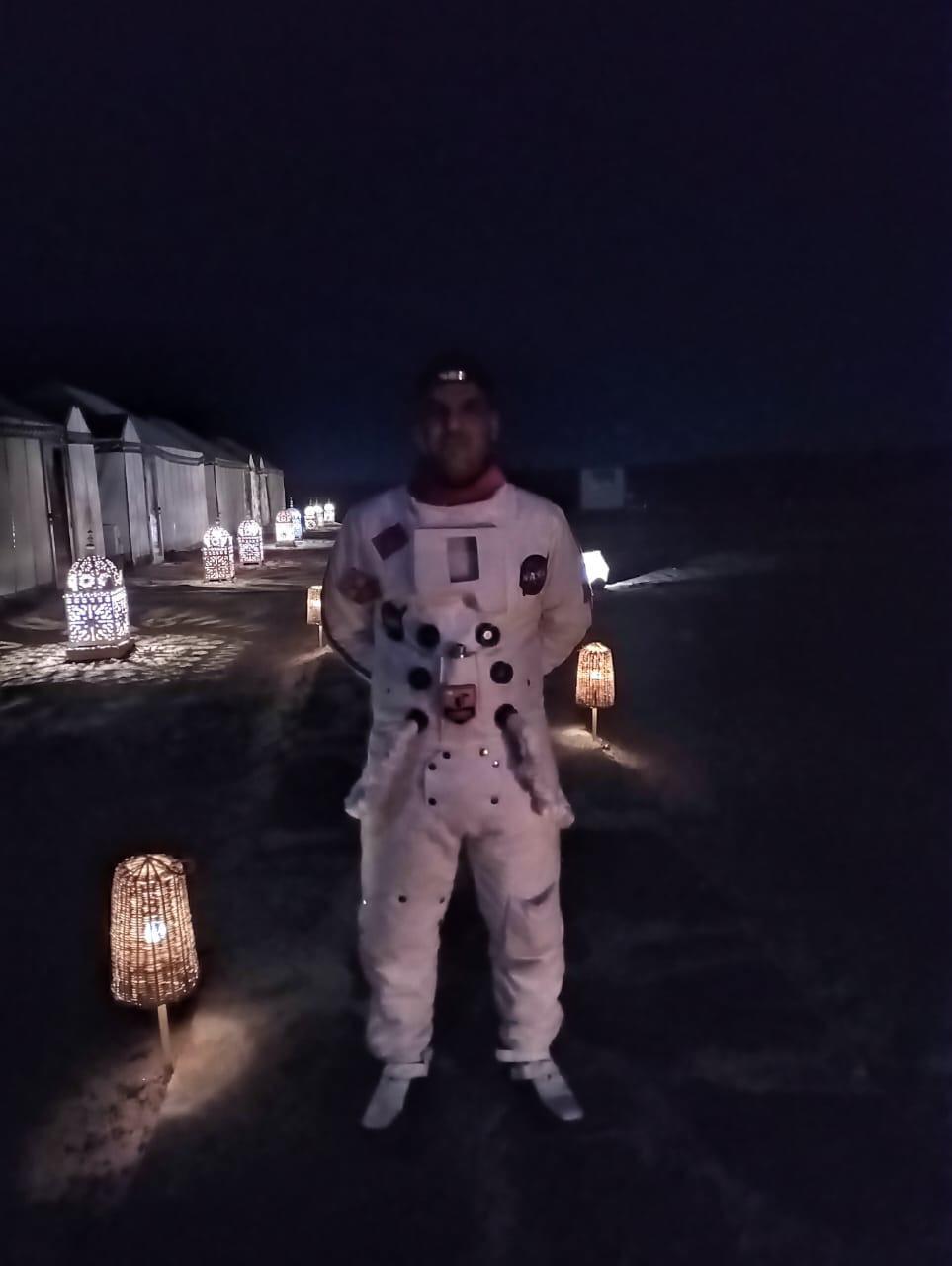
The evening concludes with the first astronomy session, introducing constellations and basic celestial orientation in one of the clearest skies in the region.
Day 9: Merzouga – Desert Exploration & Cultural Encounters (Camp)
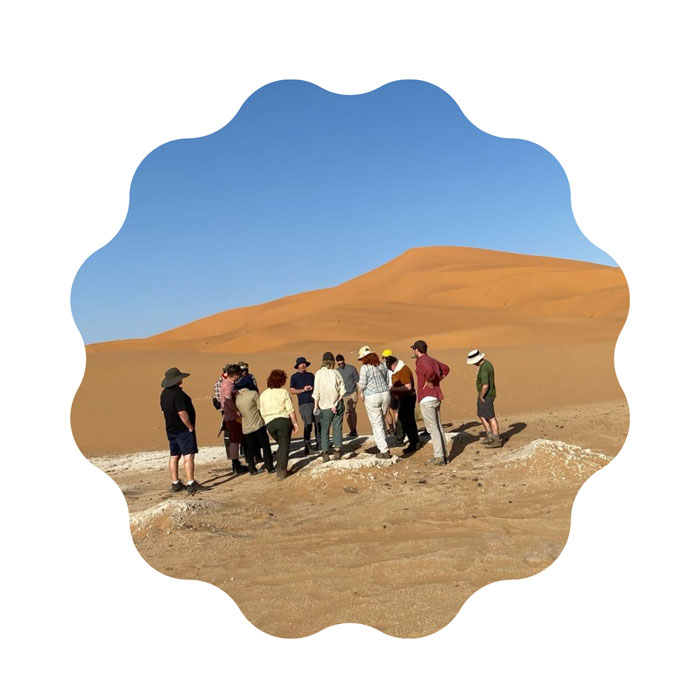
The day begins with sunrise over the dunes. After breakfast, explore the surrounding desert: fossil sites, abandoned mines, and remote landscapes.
A visit to a local community offers insight into desert life and traditions. In the evening, enjoy a cultural experience with Gnaoua music.
After dinner, a thematic astronomy lecture connects scientific knowledge with Saharan myths, navigation practices, and cultural interpretations of the sky.
Day 10: Merzouga – Advanced Astronomy Experience (Camp)
A full day dedicated to relaxation or optional desert activities such as walking across the dunes or photography.
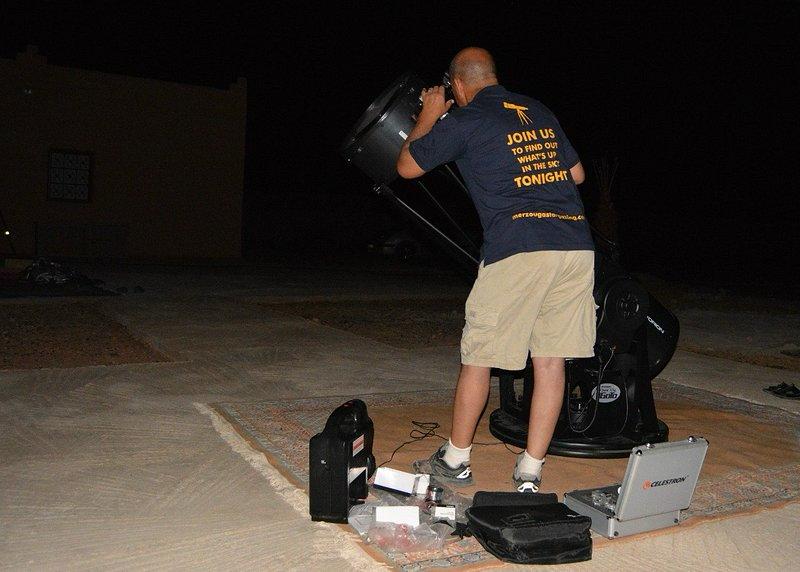
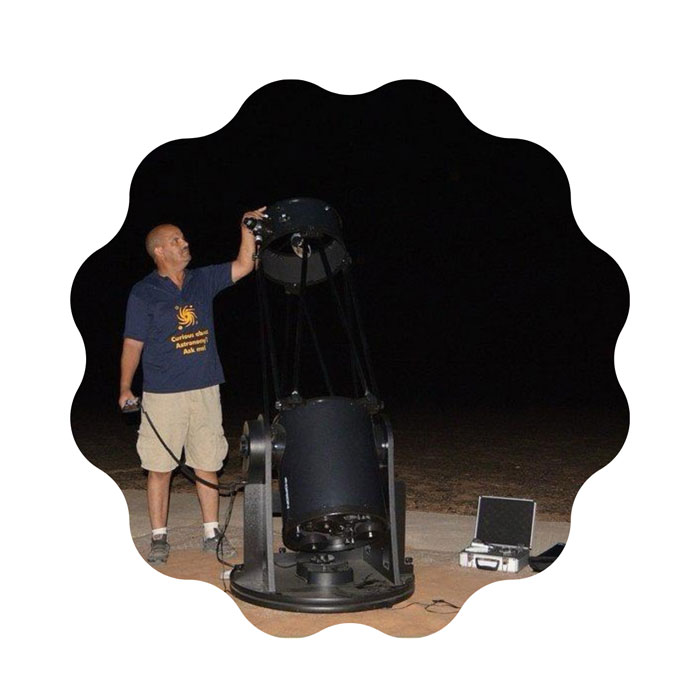
At night, the most advanced astronomical observation session takes place. Using telescopes and binoculars, you observe planets, galaxies, and nebulae under optimal conditions, benefiting from the Sahara’s exceptional clarity.
Day 11: Merzouga → Rissani → Todra Gorge → Dades Valley
After sunrise, departure from the desert. The journey passes through Rissani and Erfoud before reaching Todra Gorge.
Here, towering cliffs and a narrow canyon create one of Morocco’s most striking natural landscapes. Continue to Dades Valley for overnight stay.
Day 12: Dades Valley → Skoura → Ouarzazate → Aït Ben Haddou
Travel along the famous “Road of a Thousand Kasbahs.” Stop in Skoura oasis and continue to Ouarzazate.
Visit Aït Ben Haddou, a UNESCO-listed ksar known for its preserved architecture and cinematic history. Overnight nearby.
Day 13: Aït Ben Haddou → High Atlas → Marrakech
Cross the High Atlas Mountains via the Tizi n’Tichka Pass. The winding road offers panoramic views over valleys and peaks.
Arrival in Marrakech in the afternoon. Check-in at your riad.
Day 14: Marrakech – Full Cultural Exploration
Full-day guided exploration of Marrakech. Discover the medina, souks, historical palaces, and vibrant public spaces.
The city’s energy contrasts sharply with the stillness of the desert, offering a dynamic conclusion to the journey.
Day 15: Departure or Transfer
Depending on your travel plans, transfer to the airport or continuation of your journey.
15 Days Tour from Casablanca to Marrakech Grand Morocco Journey with Sahara Astronomy Experiences
Know Before You Go – 15 Days Tour from Casablanca to Marrakech Grand Morocco Journey with Sahara Astronomy Experiences
Tour Overview
This 15-day journey combines cultural discovery, scenic exploration, and immersive astronomy experiences. Travelers will move from Casablanca through Morocco’s imperial cities, the Middle Atlas Mountains, desert plains, and the Erg Chebbi dunes, finishing in Marrakech, offering a blend of history, landscapes, and celestial observation.
Physical Requirements
The tour involves moderate activity, including walking through medinas, light trekking in the desert, and camel rides. Travelers should be in reasonable health and able to handle desert conditions, mountain roads, and occasional uneven terrain.
Accommodation
Accommodations vary from hotels in urban and rural areas to desert camps in Erg Chebbi. Hotels offer private rooms and amenities, while desert camps provide comfortable tents with limited electricity and basic facilities, emphasizing the natural experience of the Sahara.
Meals and Dietary Needs
Most breakfasts, lunches, and dinners are included, featuring traditional Moroccan cuisine such as tagines, couscous, and fresh local produce. Travelers with dietary restrictions should inform the operator in advance to ensure accommodations.
Transportation
The tour includes private transfers in air-conditioned vehicles, ensuring comfort on long drives across the Atlas Mountains, desert plains, and intercity routes. Camel treks and local excursions in the desert are optional but highly recommended.
Weather and Climate
Expect diverse climates: coastal regions like Casablanca are mild, the Middle Atlas may be cool, and desert areas can be extremely hot by day and cold at night. Spring and autumn are ideal periods, while winter nights can be cold in the desert.
Packing Essentials
Bring layered clothing, a hat, sunglasses, sunscreen, comfortable walking shoes, a scarf for desert sand, a windproof jacket, a reusable water bottle, and any personal medications. Nighttime in the desert can be chilly, so warm layers are recommended.
Astronomy Experiences
The highlight of the journey is the desert astronomy program. Travelers will engage in telescope sessions, constellation mapping, and discussions on celestial navigation and Saharan mythologies. Observations include planets, nebulae, galaxies, and seasonal meteor activity.
Cultural and Historical Insights
The tour emphasizes Morocco’s rich heritage, including guided visits to Fes medina, the Roman ruins of Volubilis, Sijilmassa, UNESCO-listed Aït Ben Haddou, and the kasbahs along the Dades Valley. Travelers gain insight into Berber, Arab, and Saharan traditions.
Safety and Health
Experienced guides lead all excursions, ensuring safety in desert and mountain environments. Travelers should follow instructions, stay hydrated, avoid prolonged sun exposure, and be cautious on uneven terrain. Travel insurance covering medical emergencies is recommended.
Photography and Souvenirs
Photography is encouraged, especially for desert landscapes, architecture, and local communities. Always ask permission before photographing people. Souvenirs may be purchased at local markets, but fossils and protected natural artifacts should remain in place.
Special Considerations
The itinerary is carefully paced, balancing long drives with rest periods. Travelers should be prepared for early mornings, desert heat, and cool nights. Patience, flexibility, and curiosity will enhance the experience of Morocco’s diverse environments and cultures.
Local Etiquette
Respect local customs, dress modestly in rural and religious areas, and observe cultural norms in Berber and Saharan communities. Interaction with local guides and residents is encouraged, but always approach respectfully.
Connectivity and Technology
Internet access may be limited in rural and desert areas. Mobile coverage is intermittent in remote locations. Charging options in desert camps are minimal, so bring portable power banks if necessary.
Departure Information
On the final day, transfer to Marrakech airport or continuation of your journey is arranged according to your travel plans. Ensure all personal belongings and souvenirs are packed, and enjoy a final moment to reflect on the diversity and beauty of Morocco before departure.
(FAQs) 15 Days Tour from Casablanca to Marrakech Grand Morocco Journey with Sahara Astronomy Experiences
1. What is the duration and route of the tour?
The tour lasts fifteen days and covers Casablanca, Rabat, Chefchaouen, Fes, the Middle Atlas Mountains, Merzouga and the Erg Chebbi dunes, Todra and Dades Valleys, Aït Ben Haddou, and ends in Marrakech.
2. What is the difficulty level of the tour?
The tour is moderate. It includes driving, walking in medinas, short desert hikes, and camel rides. It is suitable for travelers in good health who can walk on uneven terrain.
3. What type of accommodation is provided?
Nights are spent in comfortable hotels in towns and villages, and in authentic desert camps with tents and basic amenities.
4. Are meals included?
Yes, most meals are included, featuring traditional Moroccan cuisine such as couscous, tagines, salads, and local products. Special diets should be notified in advance.
5. How do participants travel during the tour?
Transfers are in private air-conditioned vehicles. Excursions in the desert or mountains are guided, with some walking or camel rides included.
6. When is the best time to travel?
Spring and autumn are ideal to avoid extreme desert heat and cold nights. Winter is possible but nights can be chilly.
7. What astronomy activities are included?
Several nights in the desert are dedicated to astronomy. Using telescopes and binoculars, participants observe planets, galaxies, nebulae, and meteor showers, and learn to identify constellations while connecting science with Saharan traditions.
8. What clothing and equipment are recommended?
Layered clothing, comfortable shoes, hat, sunglasses, scarf for sand, sunscreen, jacket for evenings, water bottle, and camera are recommended.
9. Is safety and health taken care of?
Yes, the tour is guided by experienced professionals. Travelers should stay hydrated, follow instructions, and have travel insurance covering medical emergencies.
10. Are cultural activities included?
Yes, guided visits of medinas, kasbahs, Roman ruins, local community encounters, and musical experiences (Gnaoua) are part of the itinerary.
11. Is internet available?
Urban areas have connectivity, but it may be limited or unavailable in mountains and desert. Power banks are recommended for electronic devices.
12. What behaviors or customs should be respected?
Travelers should dress modestly, respect local traditions, ask permission before photographing locals, and show politeness and respect toward guides and communities.
Phone
+212-621-218-521
moroccoastrotours@gmail.com
Adress
Oasis Laaouina Merzan Rissani 52450 Morocco
contact us
book your tour now
atlas geo tours